
Colonial Williamsburg
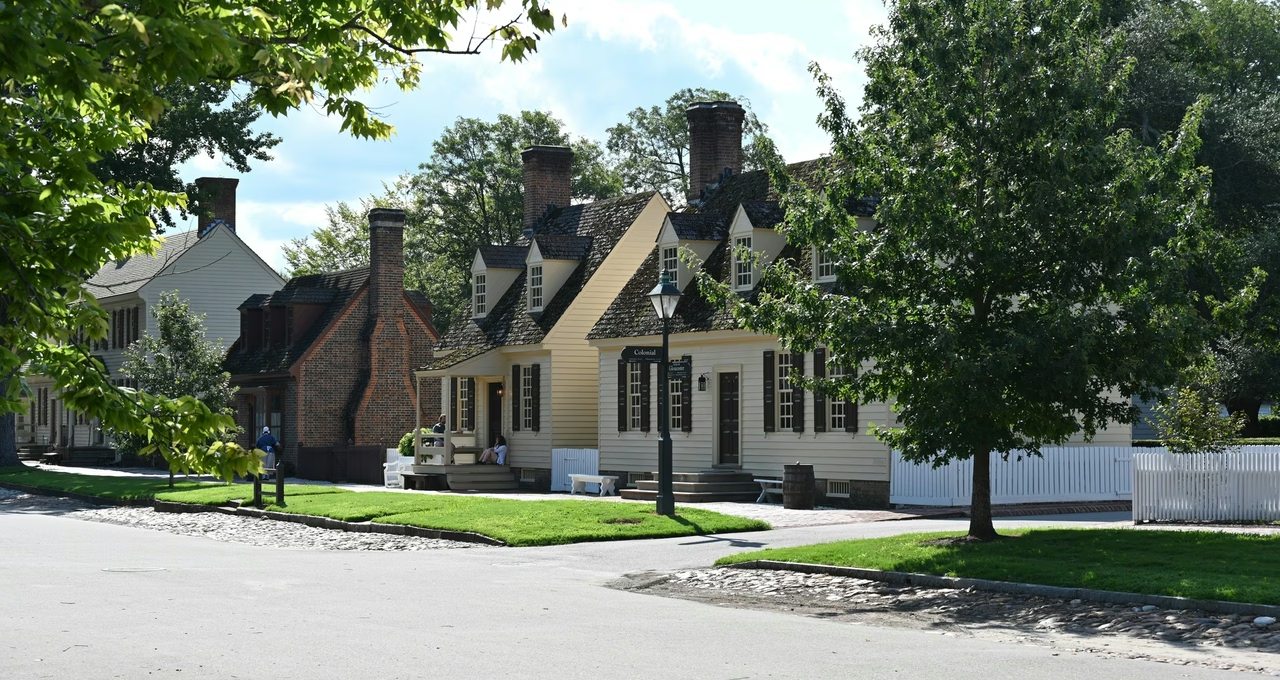
The largest living history museum in the United States, and one of the most ambitious acts of historical reconstruction ever attempted. Williamsburg was the capital of colonial Virginia from 1699 to 1780 and the political stage on which much of the argument for independence played out; when the government moved to Richmond the town simply stopped growing, which is why so much of the 18th-century street plan survived.
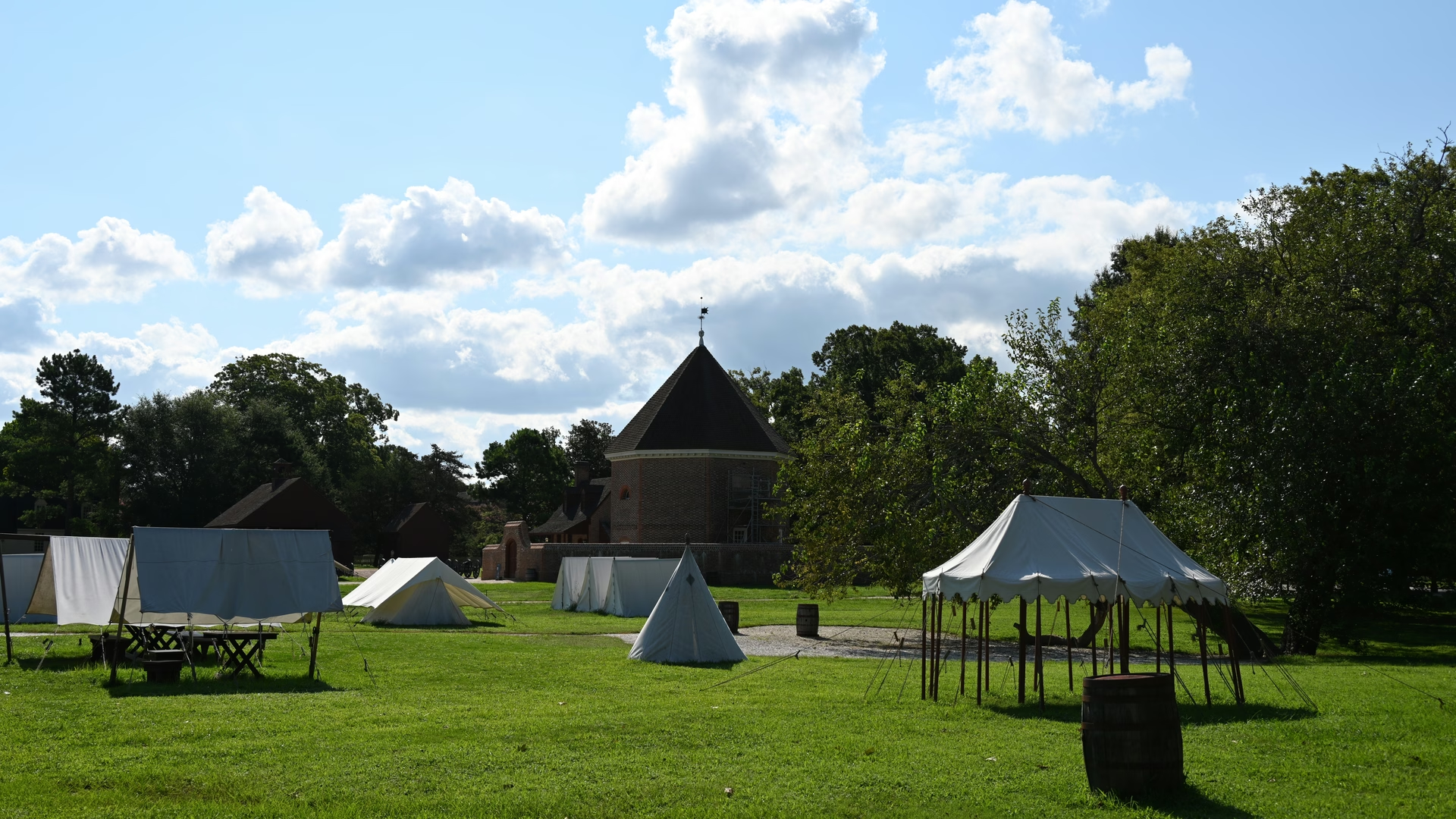
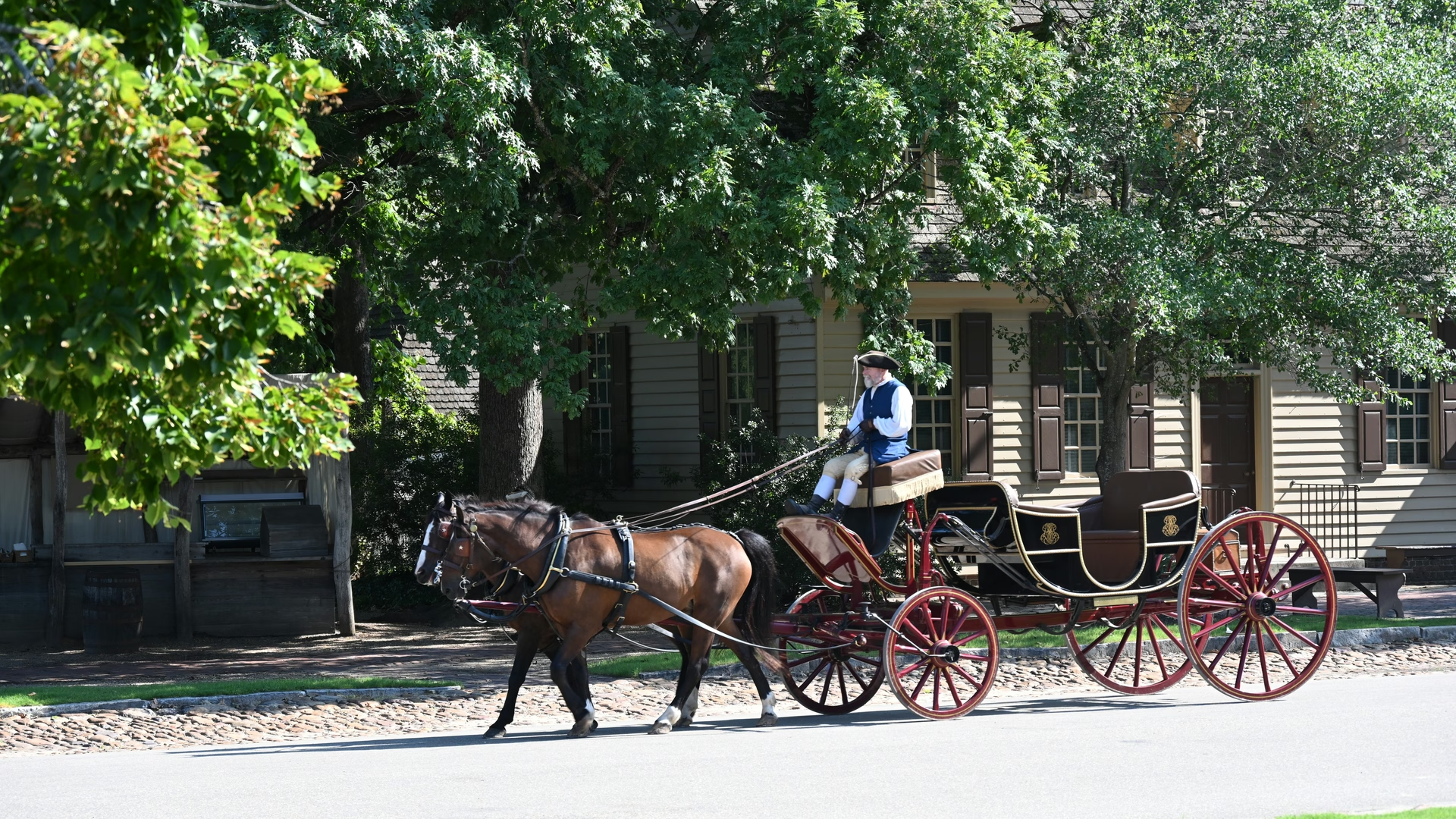
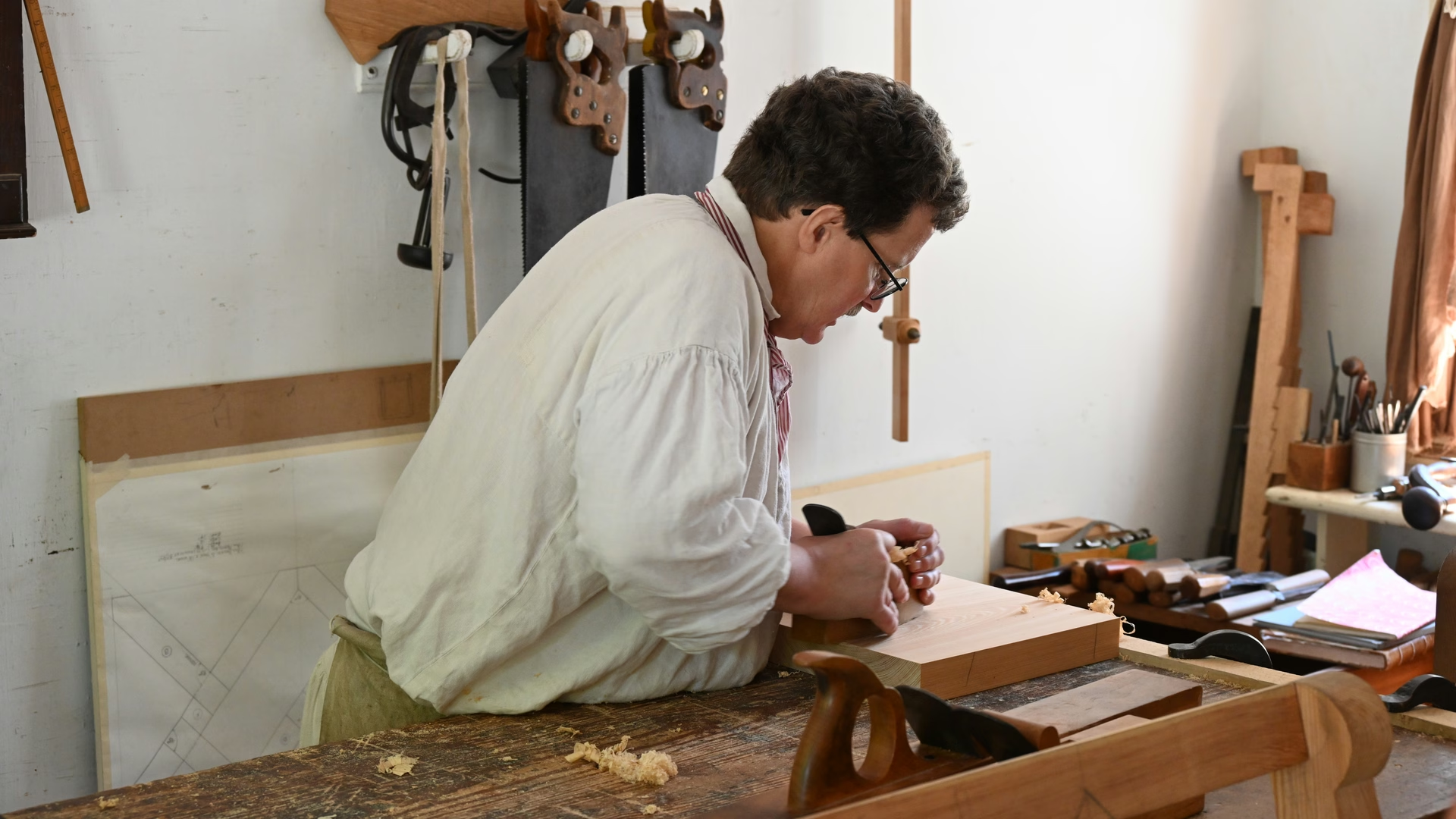
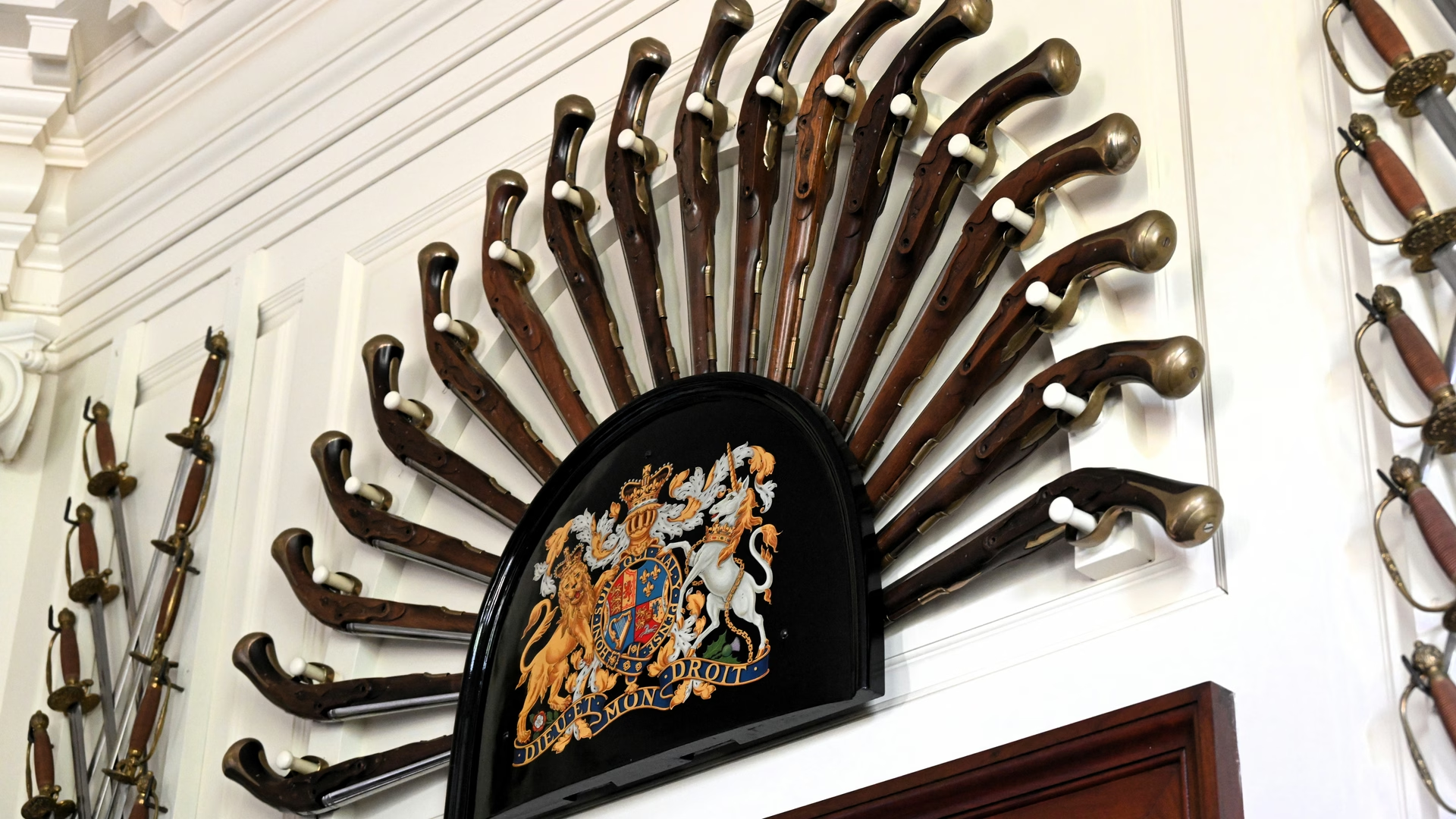
From 1926, John D. Rockefeller Jr. quietly bought up the old centre and spent an estimated $60 million turning it back into 1770s Williamsburg — restoring 88 original buildings, reconstructing more than 400 from archaeology and insurance drawings, and demolishing over 700 newer ones. Costumed interpreters staff the whole district in character, and the trade shops are the real substance: blacksmiths, wigmakers, printers, silversmiths and coopers working with period tools and methods rather than performing for a camera. The interpretation now gives substantial weight to the enslaved half of the town's colonial population.
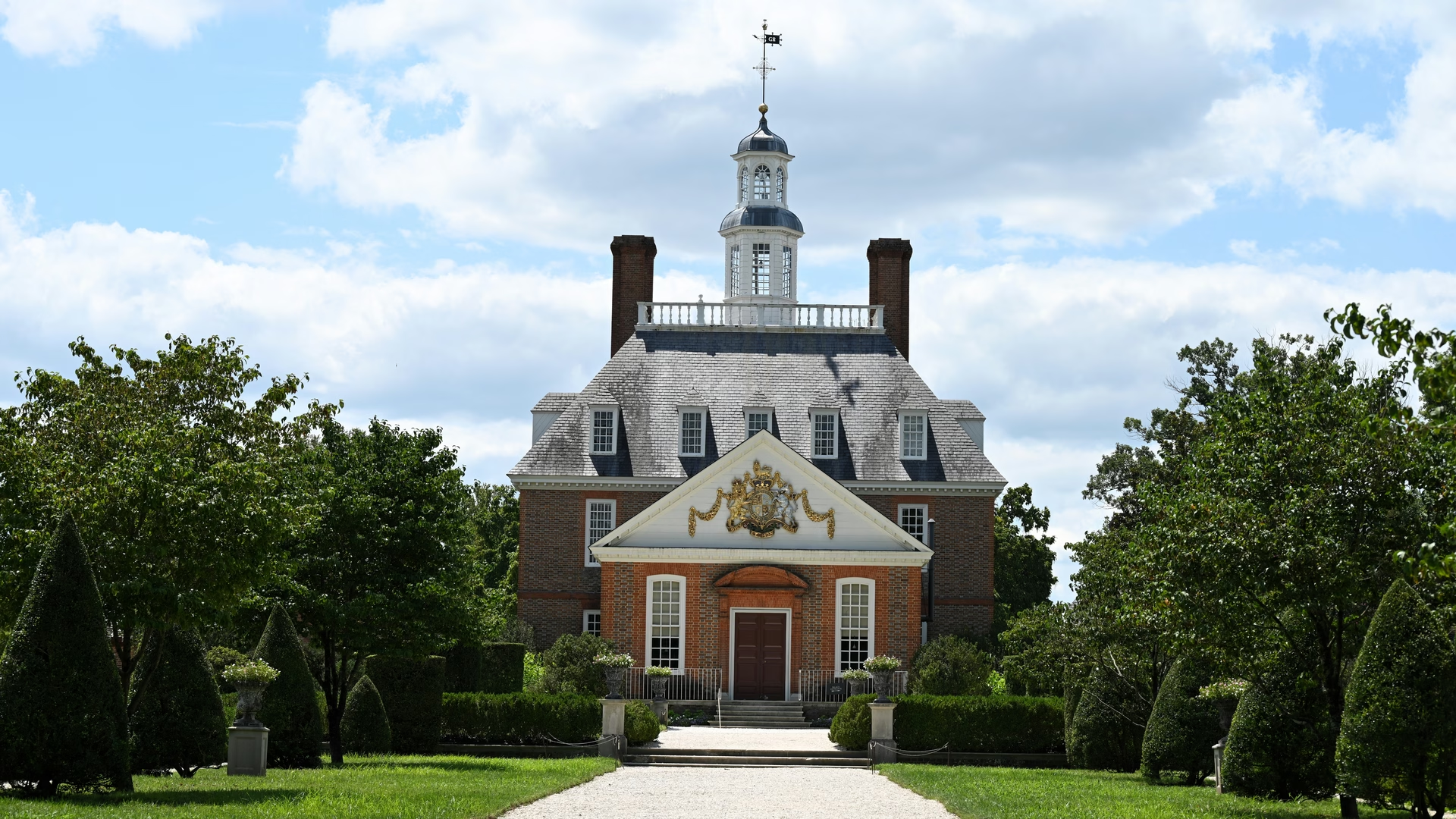
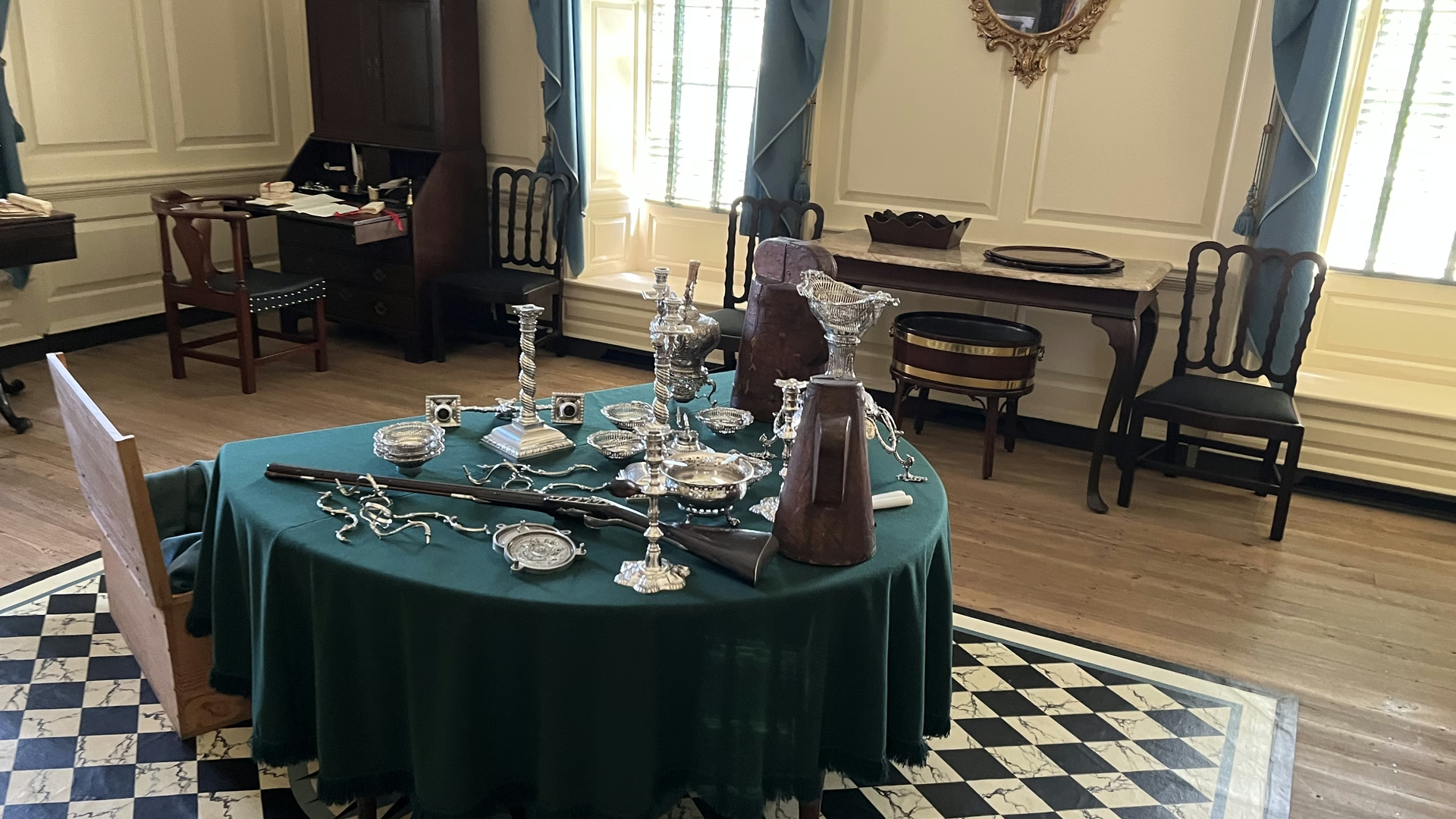
Practical: the streets are free to walk and the atmosphere alone rewards an evening stroll, but entering any building requires a multi-day ticket. Budget a full day if you want the Governor's Palace, the Capitol and several trade shops; two if you intend to see it properly. It forms one third of the Historic Triangle with Jamestown and Yorktown.
Categories