
Downtown Mall
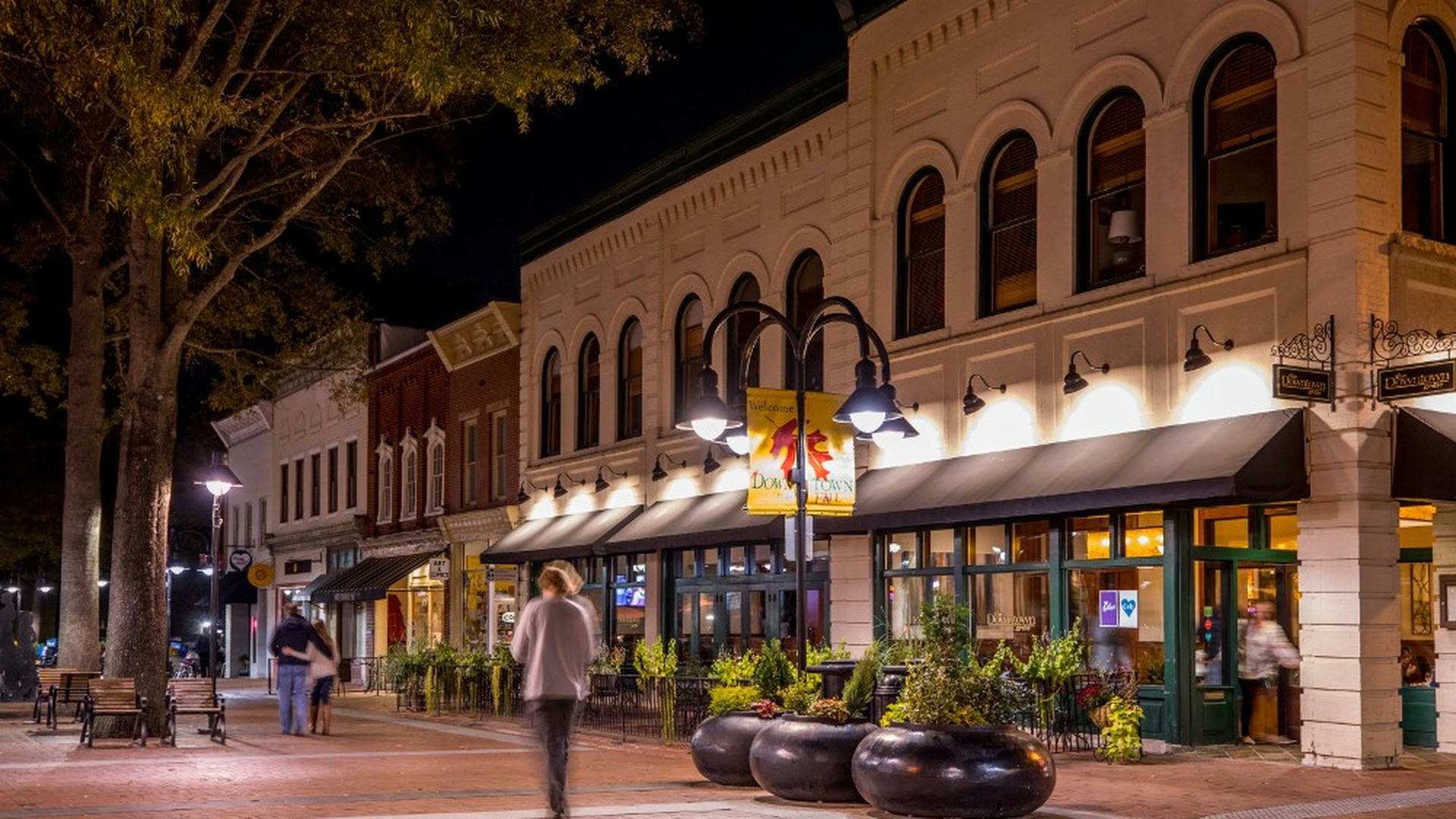
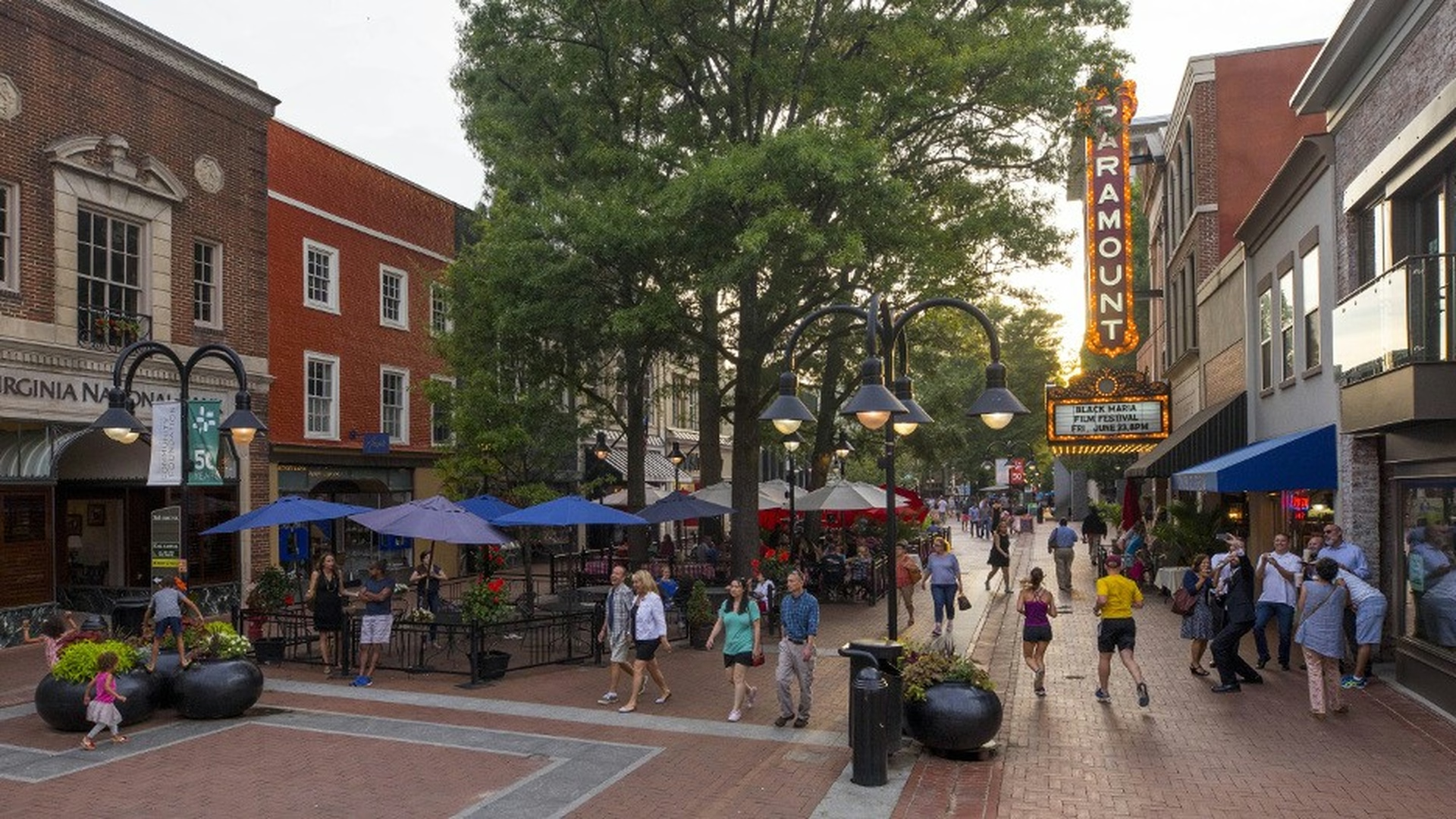
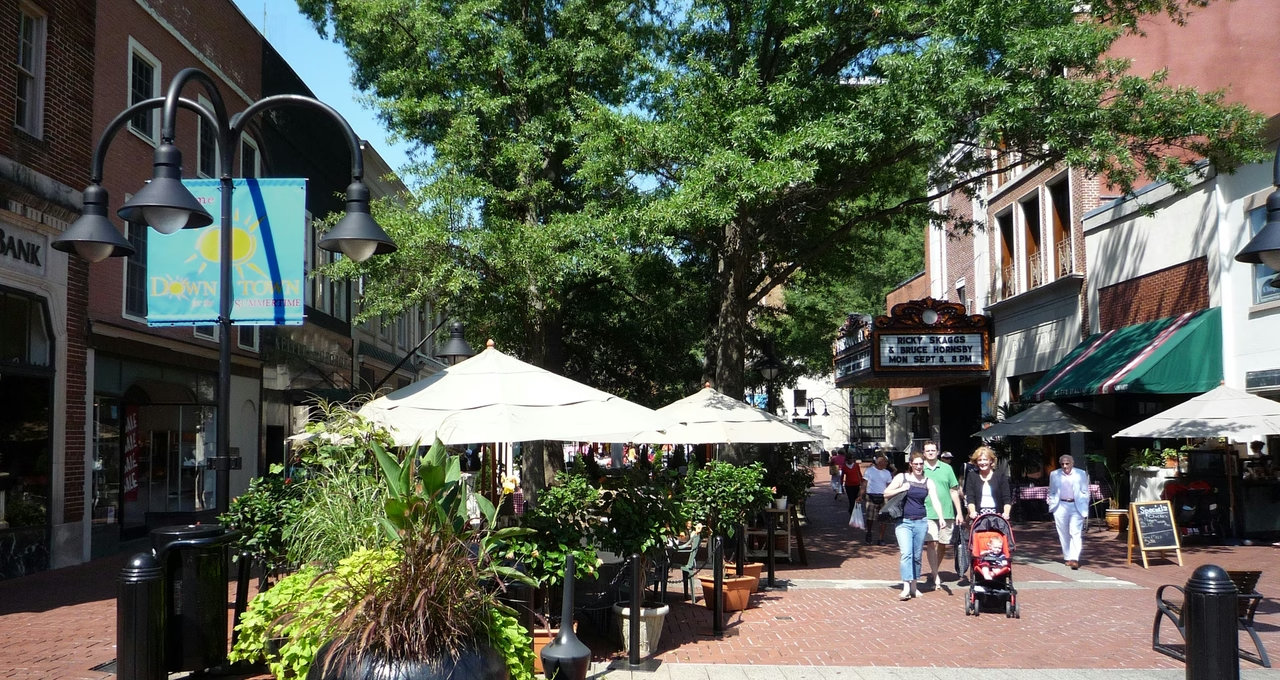
A brick-paved pedestrian street running almost 800 m through the historic centre of Charlottesville, one of the longest car-free downtown corridors in the United States and the undisputed heart of the city. Restaurants and bars spill tables onto the bricks, independent shops and galleries fill the nineteenth-century storefronts, and the whole stretch is shaded by mature willow oaks planted when it was pedestrianised in the 1970s.
The venues along it carry most of the city's cultural life: the Paramount Theater, the Jefferson Theater, the Violet Crown cinema, Old Metropolitan Hall, The Bradbury, Decades Arcade, and the open-air Ting Pavilion at the eastern end. In the evening the mall and several of its side alleys are strung with lights, which is when it looks its best.
It is also where Charlottesville's most difficult recent history played out. On two consecutive August evenings in 2017, the Unite the Right rally brought the largest far-right gathering the United States had seen in decades to the city centre — a torchlit march by neo-Nazi, white supremacist, and Klan-affiliated groups protesting the removal of the Robert E. Lee statue, followed the next day by violent clashes that led the governor to declare a state of emergency. A participant then drove his car into a crowd of counter-protesters on 4th Street, killing one person and injuring 35. He received two life sentences plus 419 years. That block is now named Heather Heyer Way for the woman who died there.
Practical
Free to walk at any time. Paid parking garages sit at either end; on-street parking downtown is limited. Most restaurants and shops open late morning, and the mall is at its liveliest on Friday and Saturday evenings.
Categories