
Duke of Gloucester Street
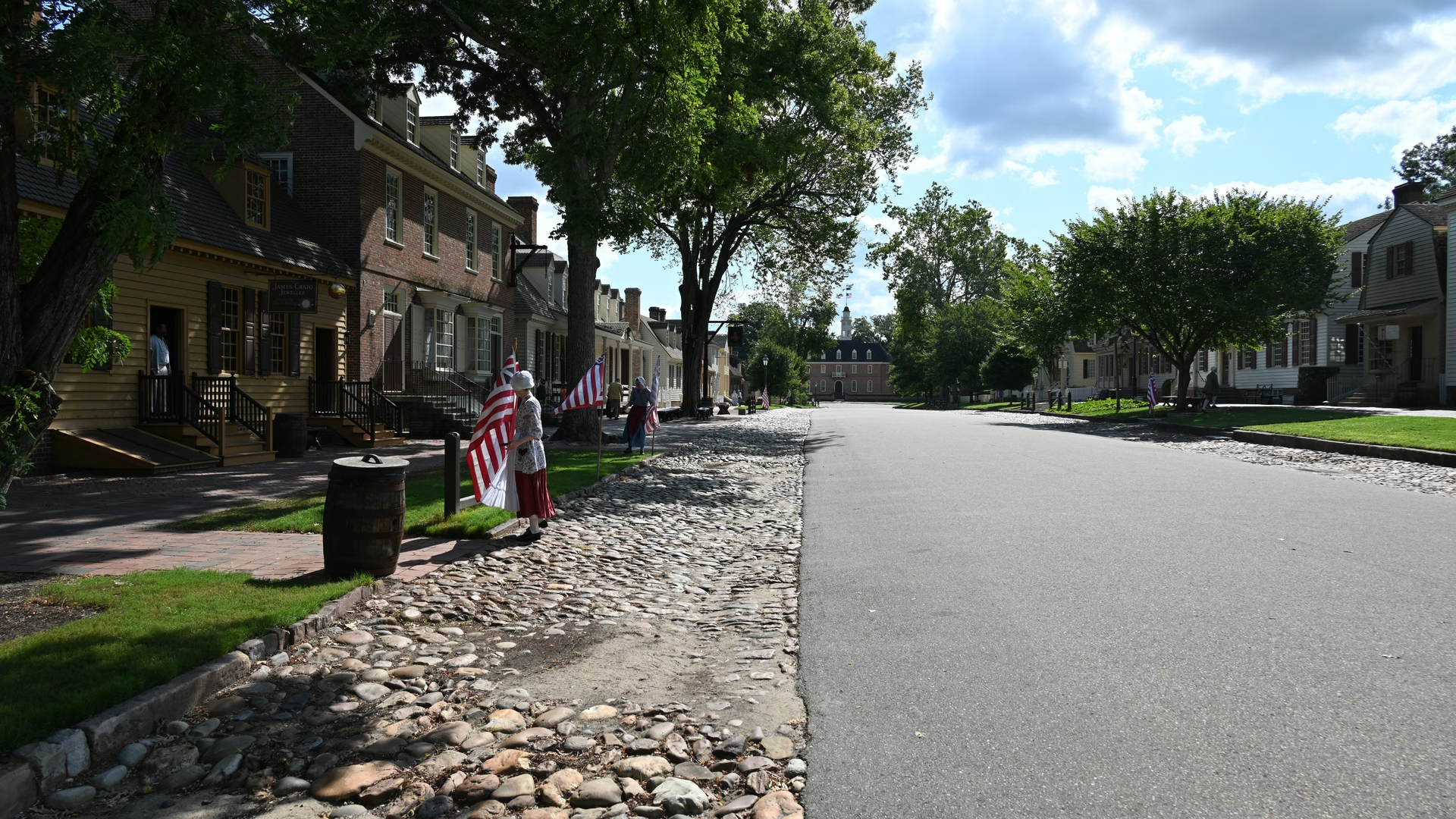
The mile-long spine of colonial Williamsburg, laid out in 1699 at a deliberate 99 feet wide and running dead straight from the College of William & Mary at one end to the Capitol at the other — a piece of baroque town planning that put learning and government at opposite poles of the same axis.
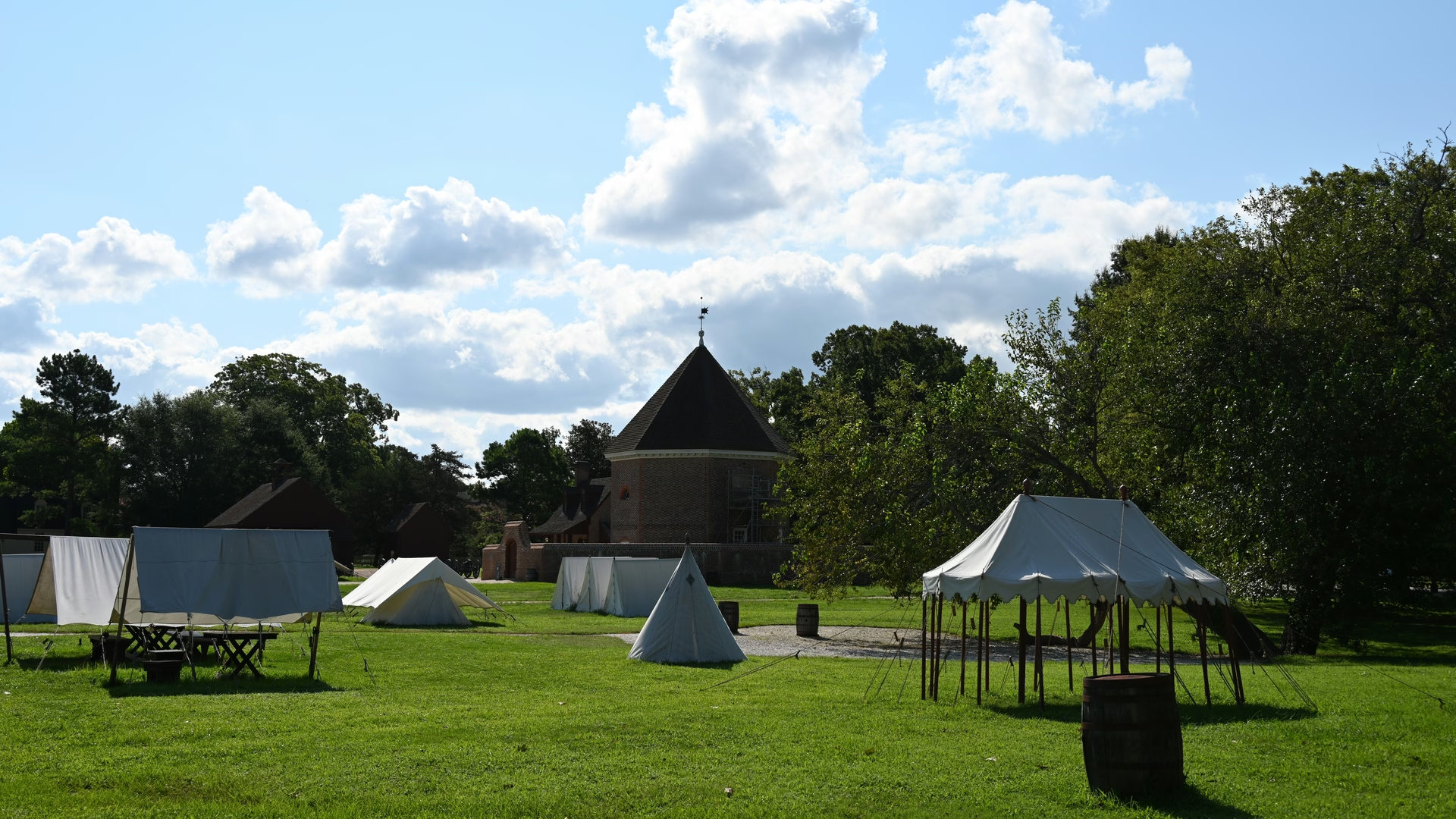
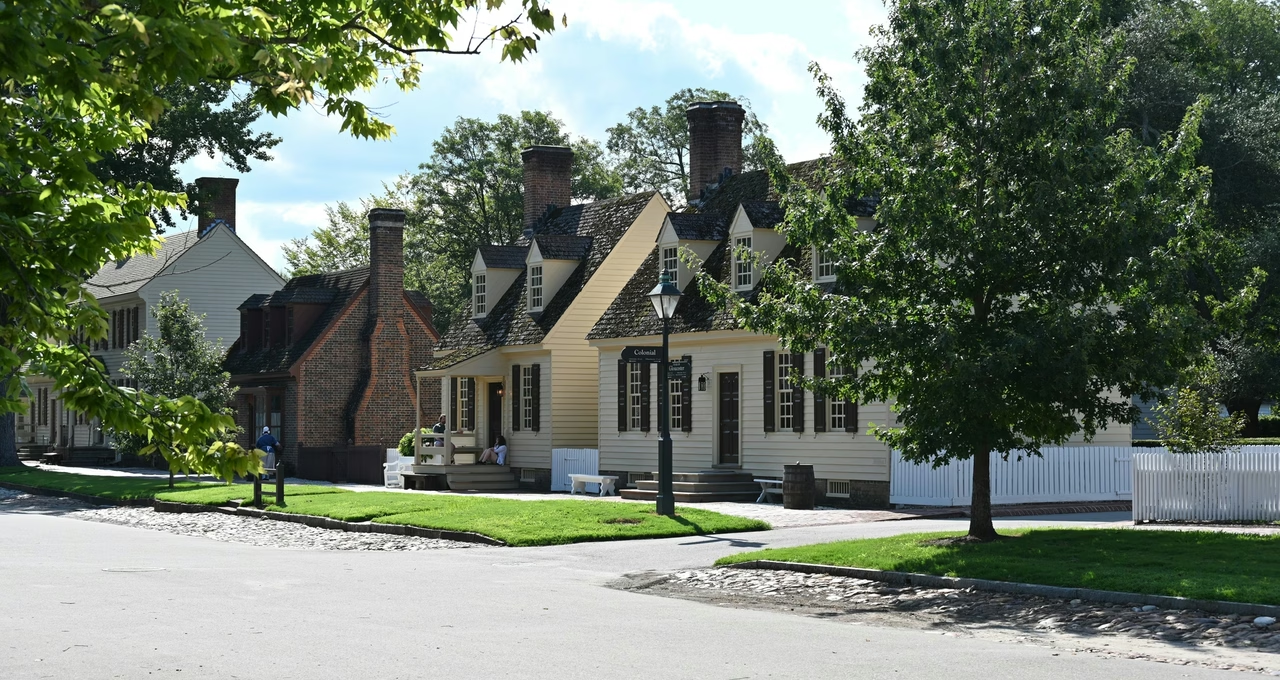
Closed to traffic through the historic area, it is lined with taverns, houses, shops and public buildings in a near-continuous 18th-century streetscape: the Courthouse of 1771, the octagonal Magazine, the Raleigh and Shields taverns, Bruton Parish Church. Fifes and drums march it on schedule, sheep and oxen graze the verges, and the whole thing works considerably better on foot in the early morning or after the day-ticket crowds thin out.
Franklin D. Roosevelt, on dedicating it in 1934, called it the most historic avenue in America. Walking it costs nothing.
Categories