
Fort Monroe National Monument
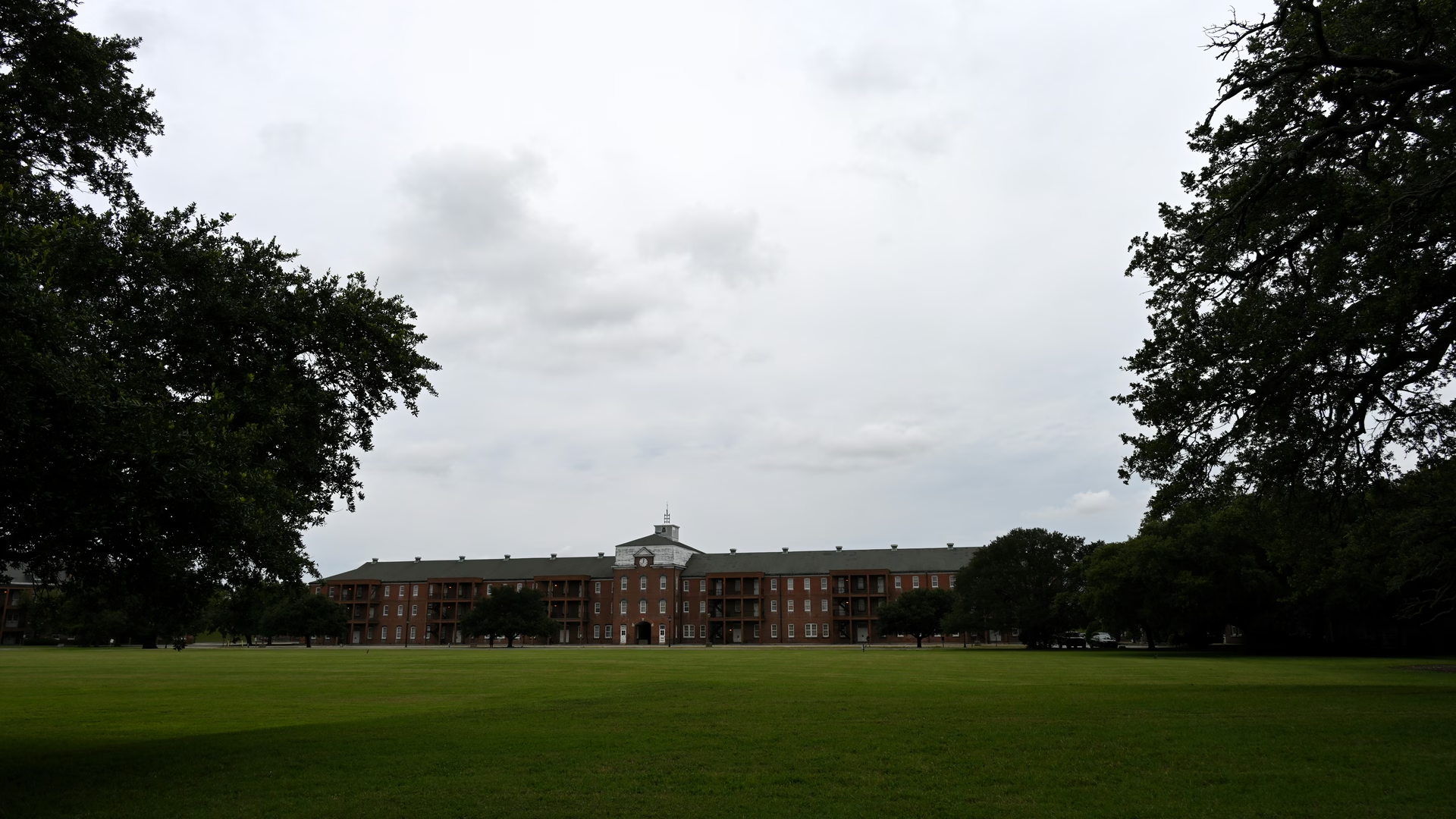
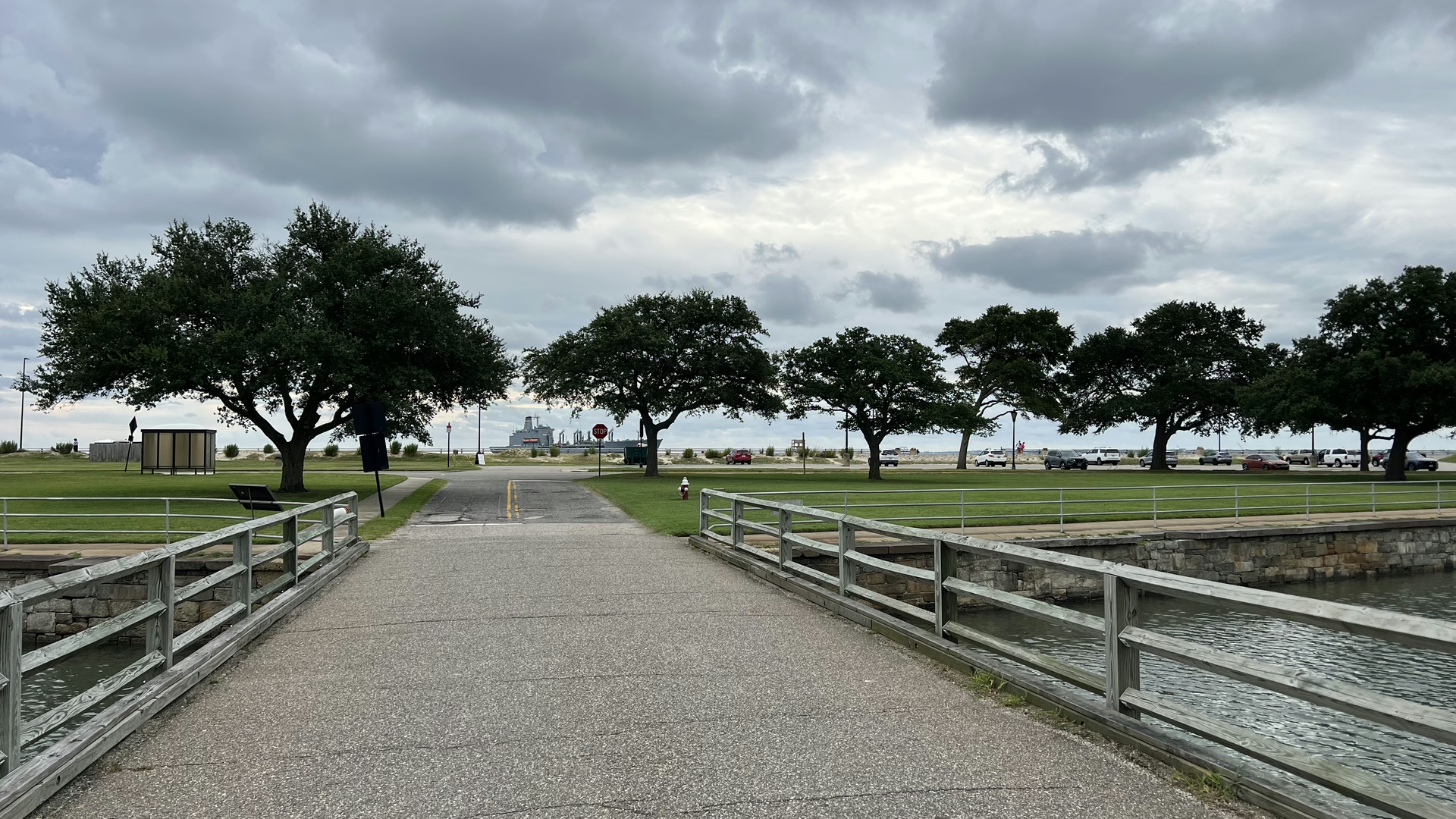
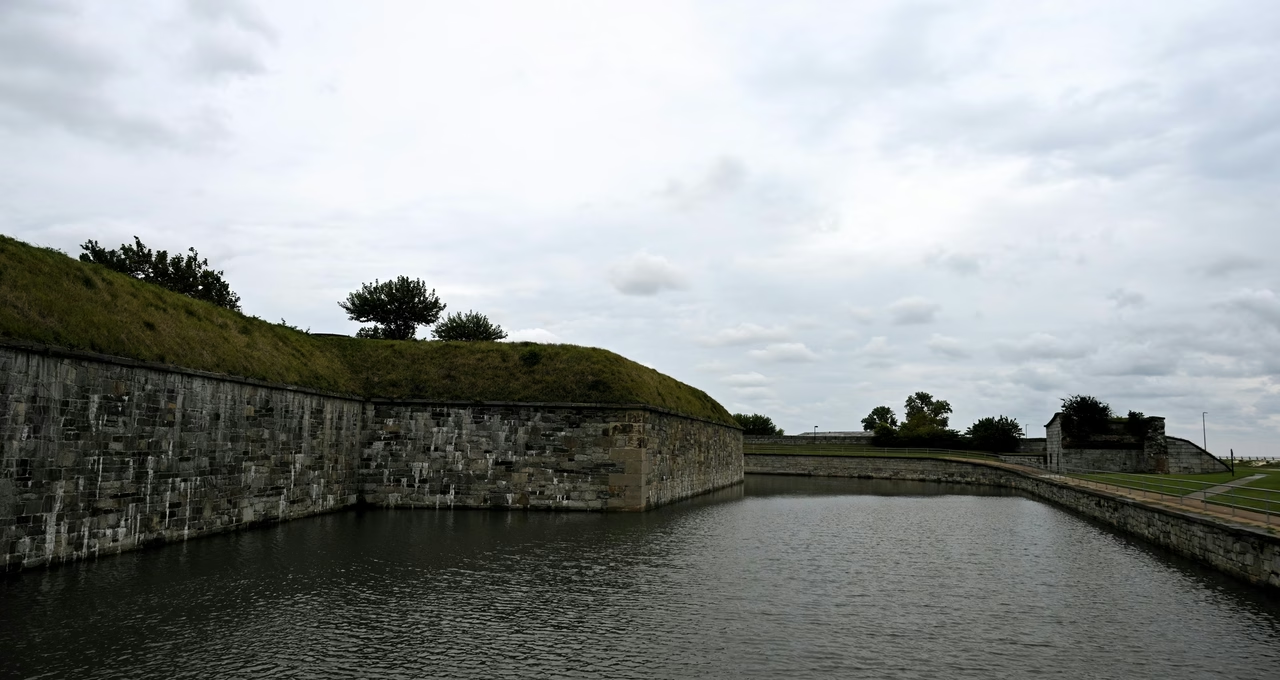
The largest stone fort ever built in the United States, a seven-sided bastion of 63 acres surrounded by a working moat, sitting on the point where the James River meets Chesapeake Bay. It took 25 years to build from 1819, and Robert E. Lee served here as a young engineer on the construction.
Its significance is bigger than its size. In 1619 the first documented Africans in English North America were landed at this point — the beginning of American slavery. In 1861, with Virginia seceded, Fort Monroe stayed in Union hands, and when three escaped enslaved men reached it the commanding general declared them contraband of war rather than returning them. Thousands followed. The place became known as Freedom's Fortress, and the arc from 1619 to 1861 is why Obama declared it a National Monument in 2011 rather than letting the Army simply sell the land.
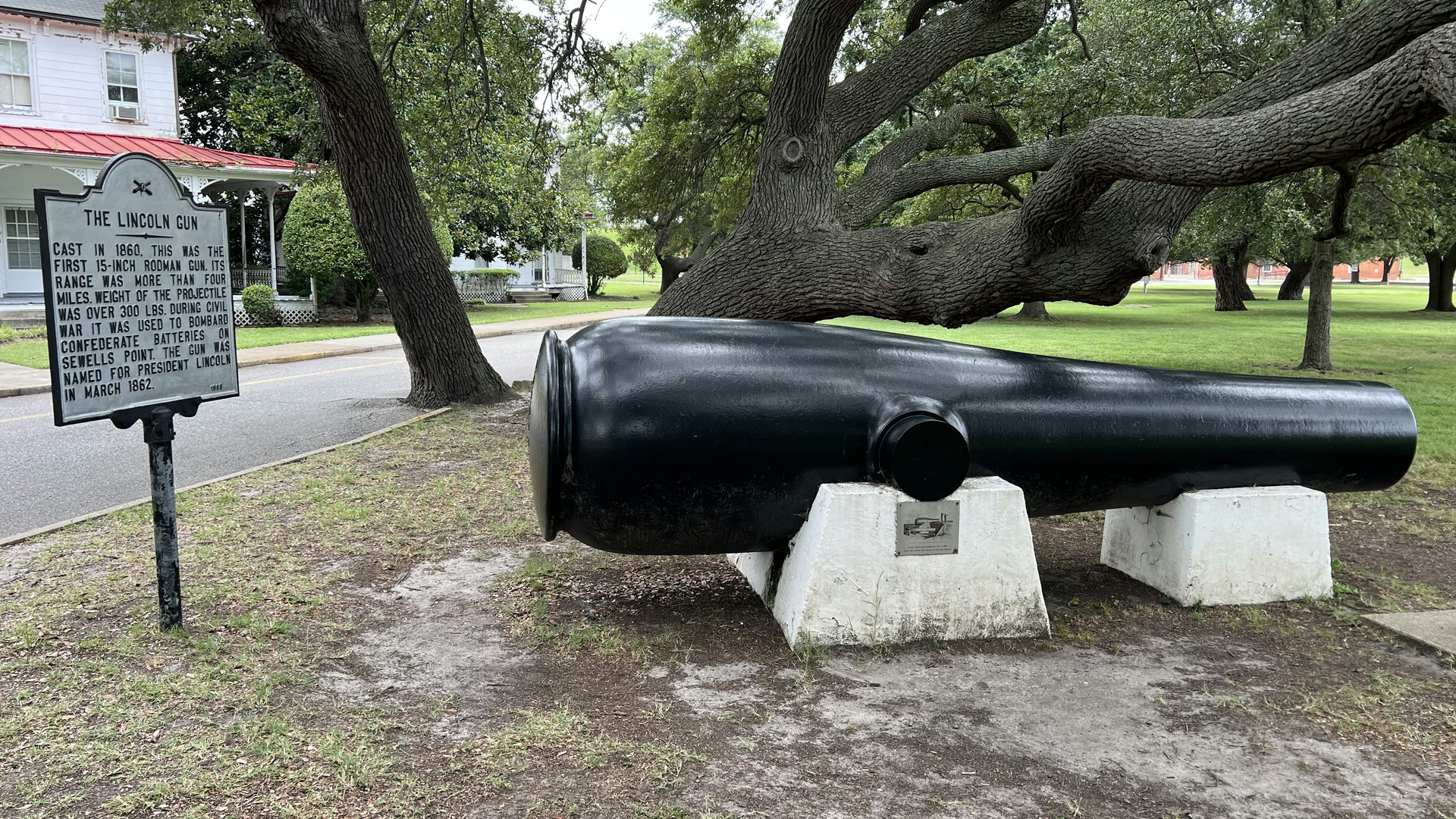
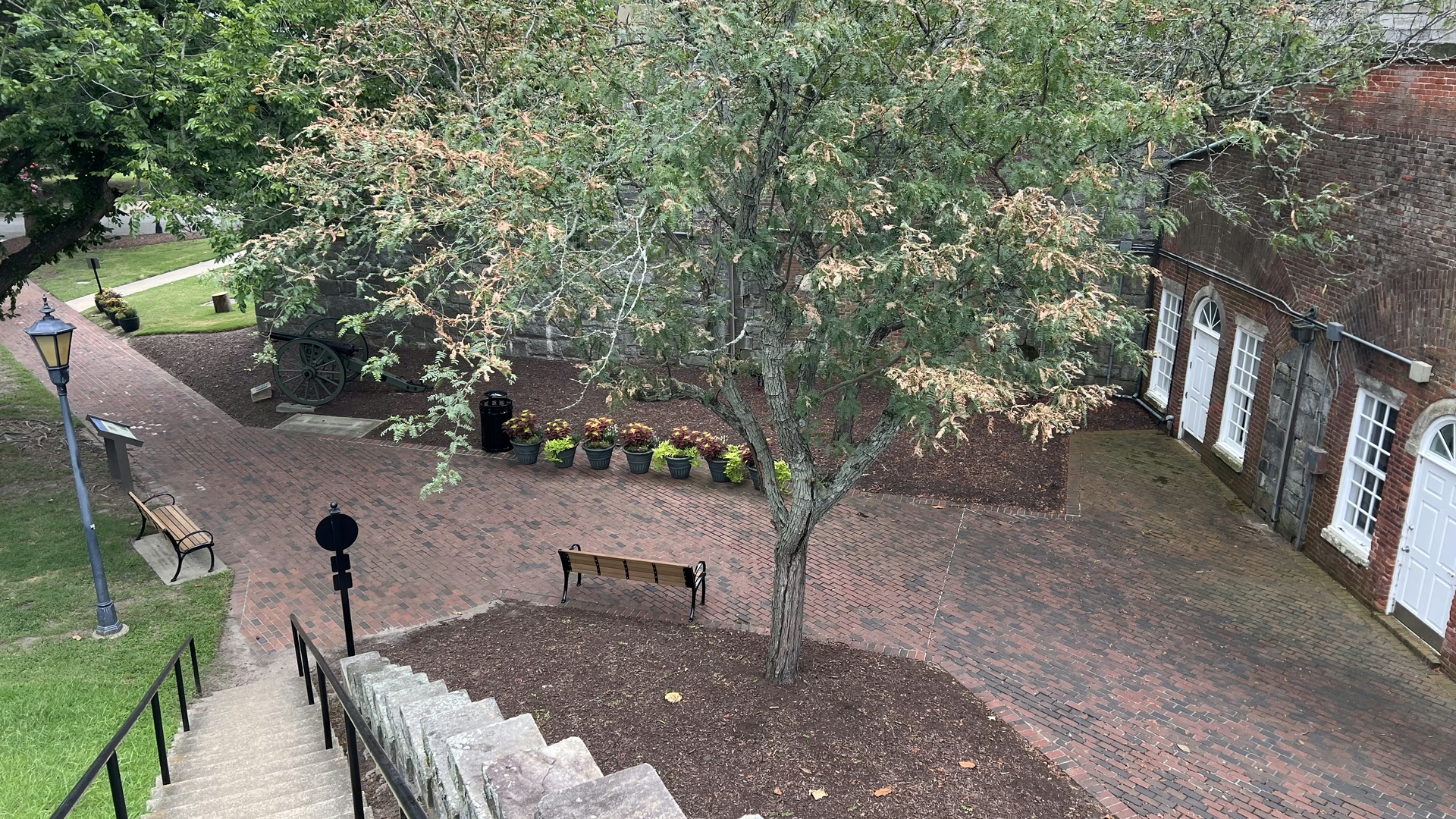
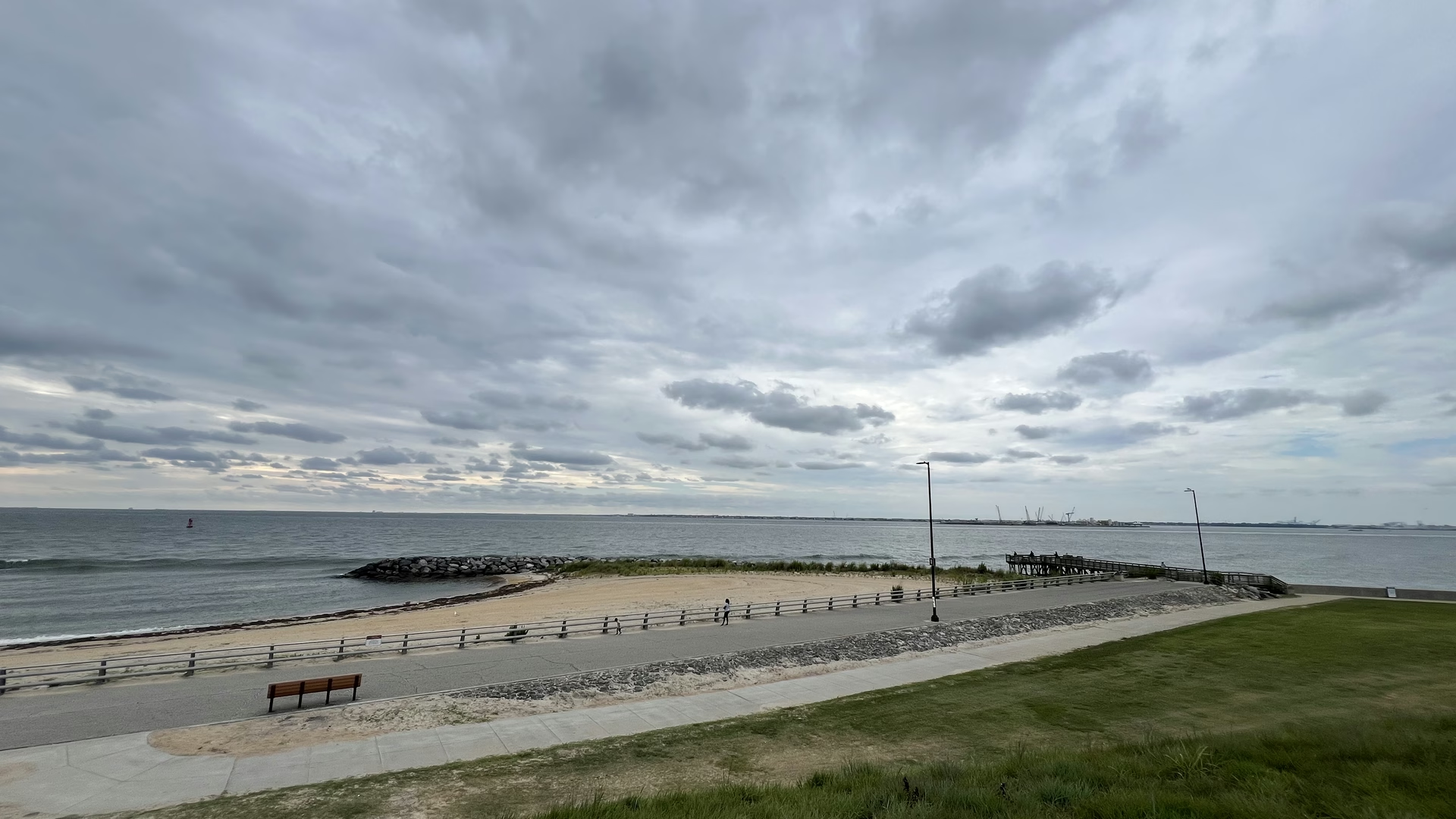
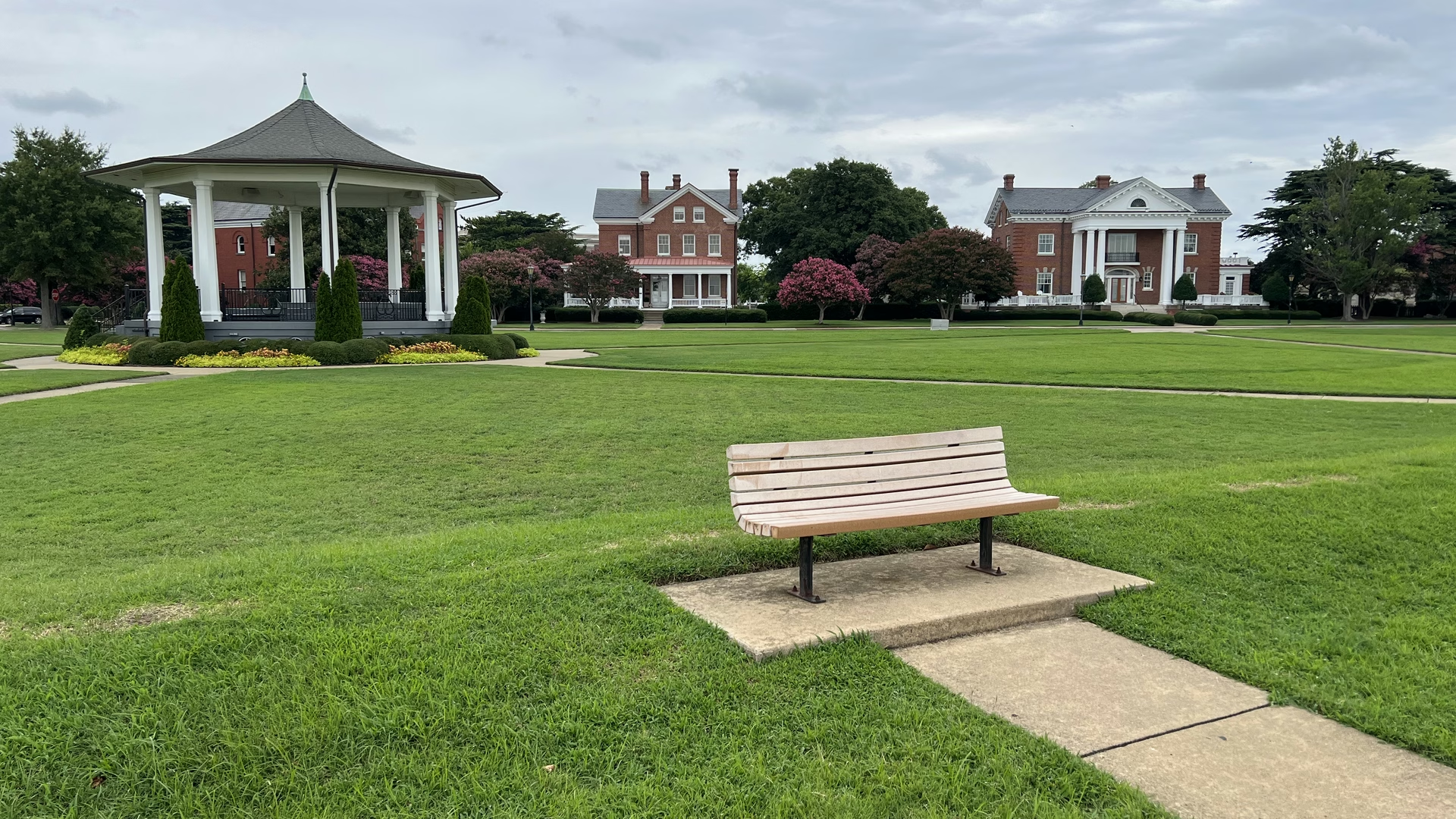
Practical: free and open daily; you drive in across the moat and park inside. The fort is still a residential neighbourhood, so treat it as one. Inside the walls are the Casemate Museum with the cell where Jefferson Davis was imprisoned, the Chapel of the Centurion, Quarters No. 1 where Lincoln stayed, and gun batteries along the seawall. There is a long public beach on the bay side.
Categories