
Hampton University
Founded in 1868 to educate people freed from slavery, on the waterfront where contraband camps had formed around Fort Monroe during the Civil War. It became one of the most influential historically Black universities in the country — Booker T. Washington graduated in 1875 and took its model to Tuskegee — and also educated Native American students from the 1870s.
Two things anchor a visit. The Emancipation Oak at the campus entrance is where the Emancipation Proclamation was first read to the local Black community in 1863, and where Mary Peake had been teaching freed people beneath the branches, illegally, before that; it is a National Historic Landmark. The Hampton University Museum, founded in 1868, is the oldest African American museum in the country, with major African, Native American and Harlem Renaissance holdings including work by Henry Ossawa Tanner and Jacob Lawrence.
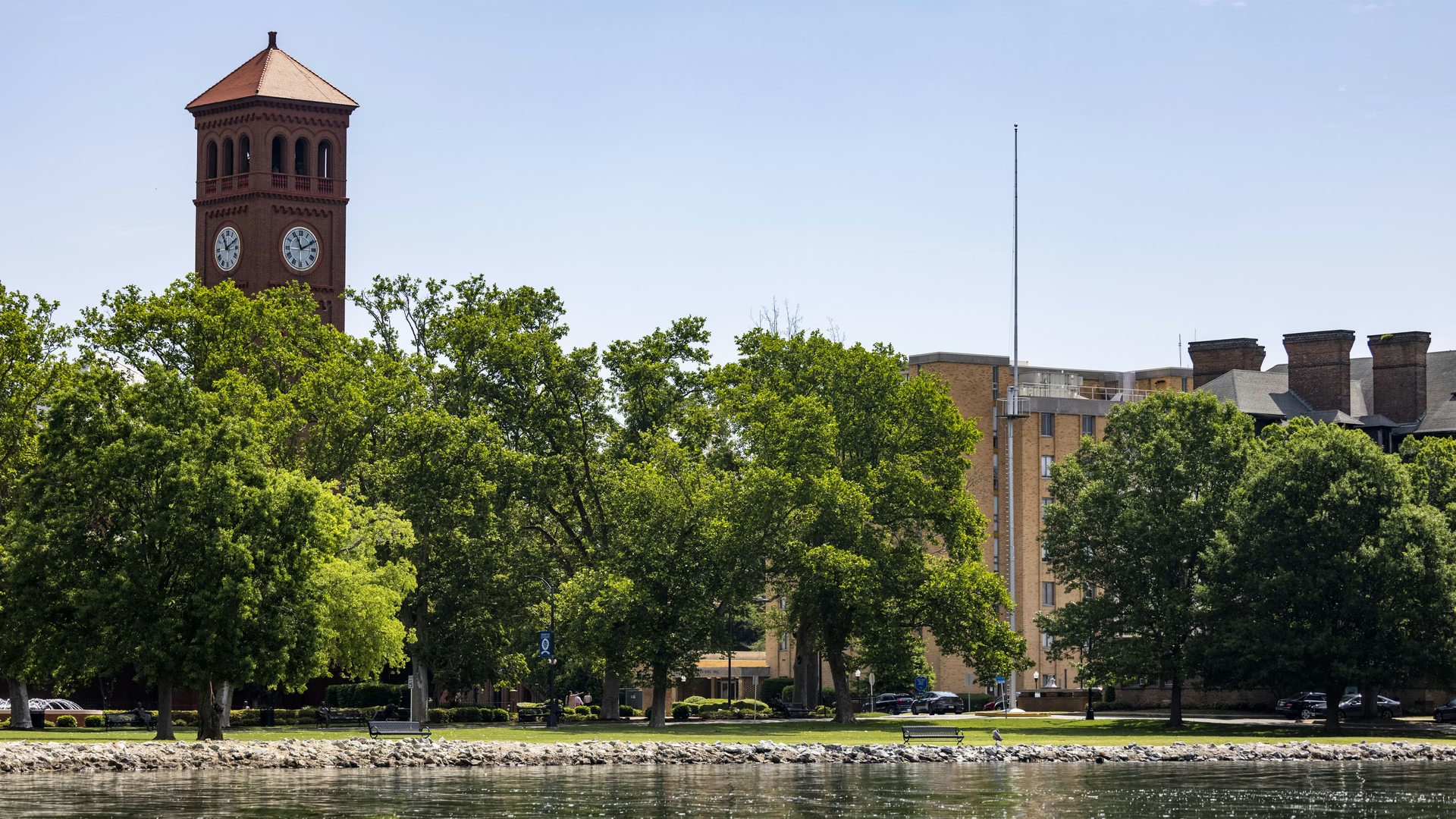
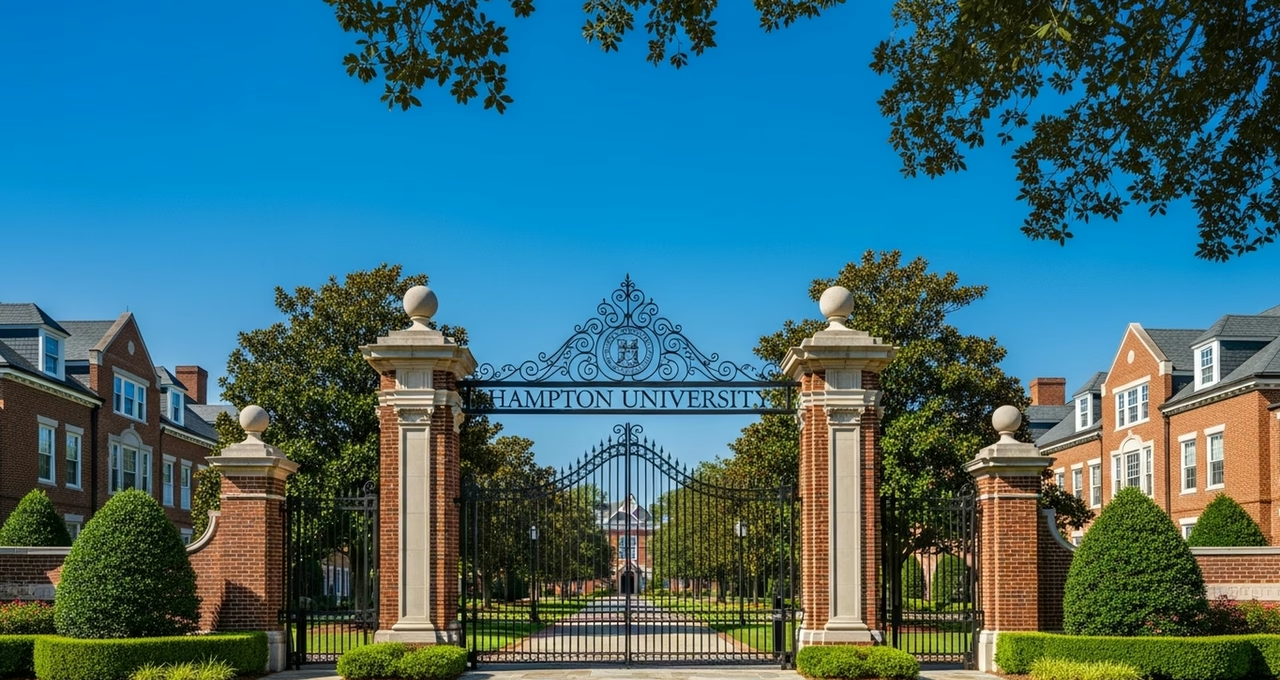
Practical: a working campus with controlled gates, so check visitor procedure before driving in. The museum keeps weekday hours and is free. The waterfront setting along the Hampton River is a large part of the appeal.
Categories