
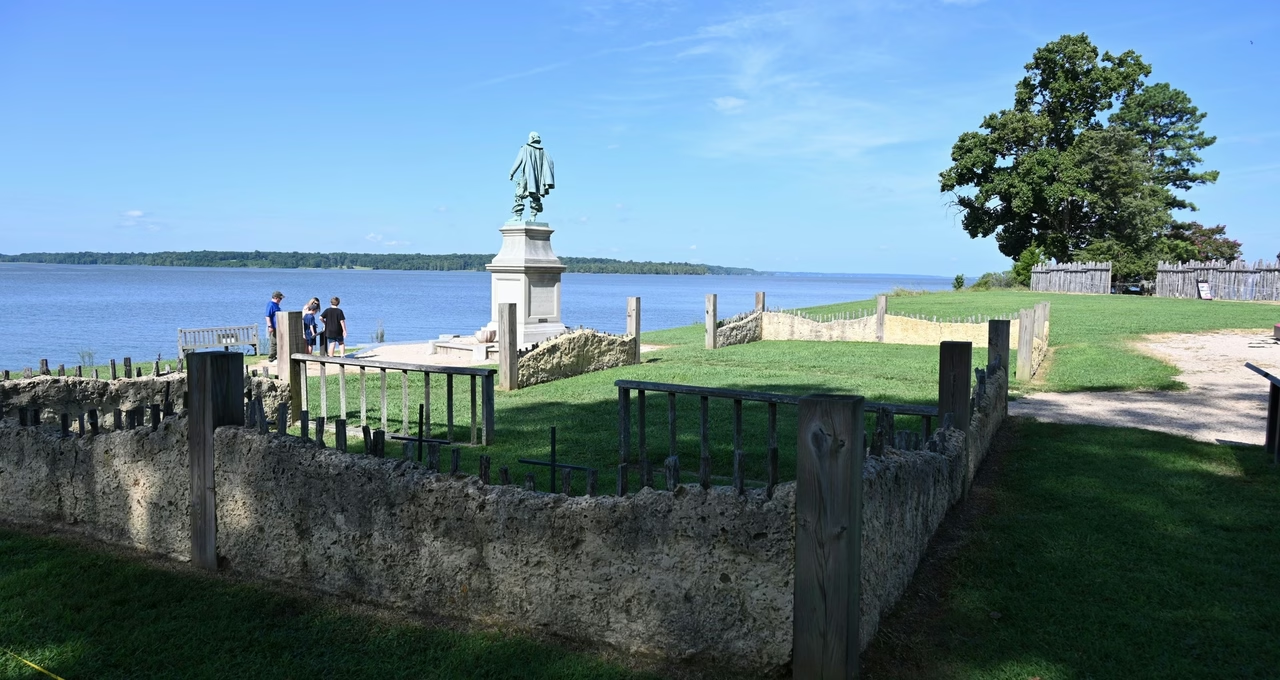
Historic Jamestowne
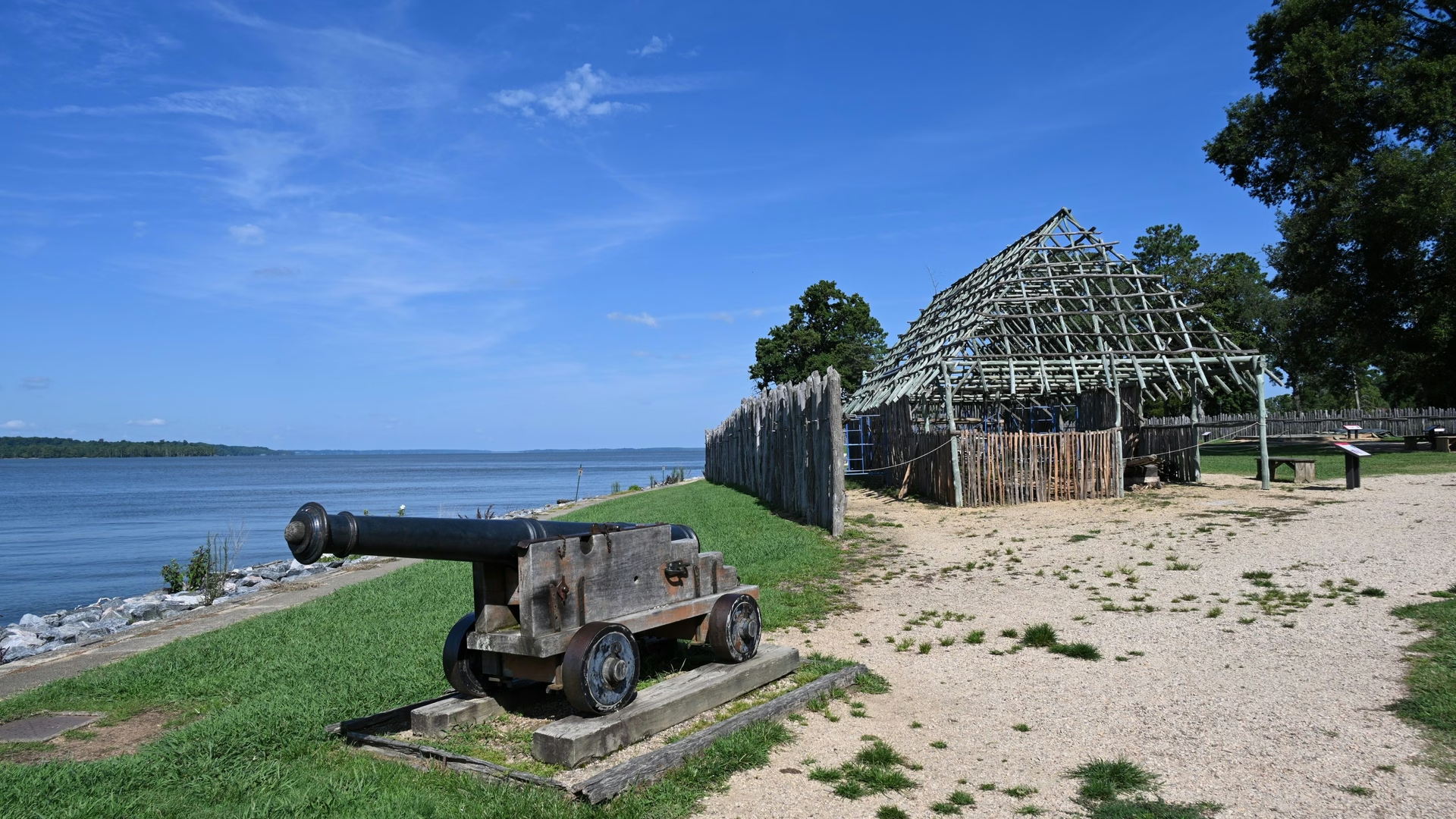
The actual ground where England's first permanent settlement in the Americas was founded on 14 May 1607 — and, for a long time, a place everyone assumed had washed into the James River. In 1994 archaeologists went looking anyway and found the footprint of James Fort almost intact, which turned the site from a memorial park into the most consequential dig in American colonial archaeology.
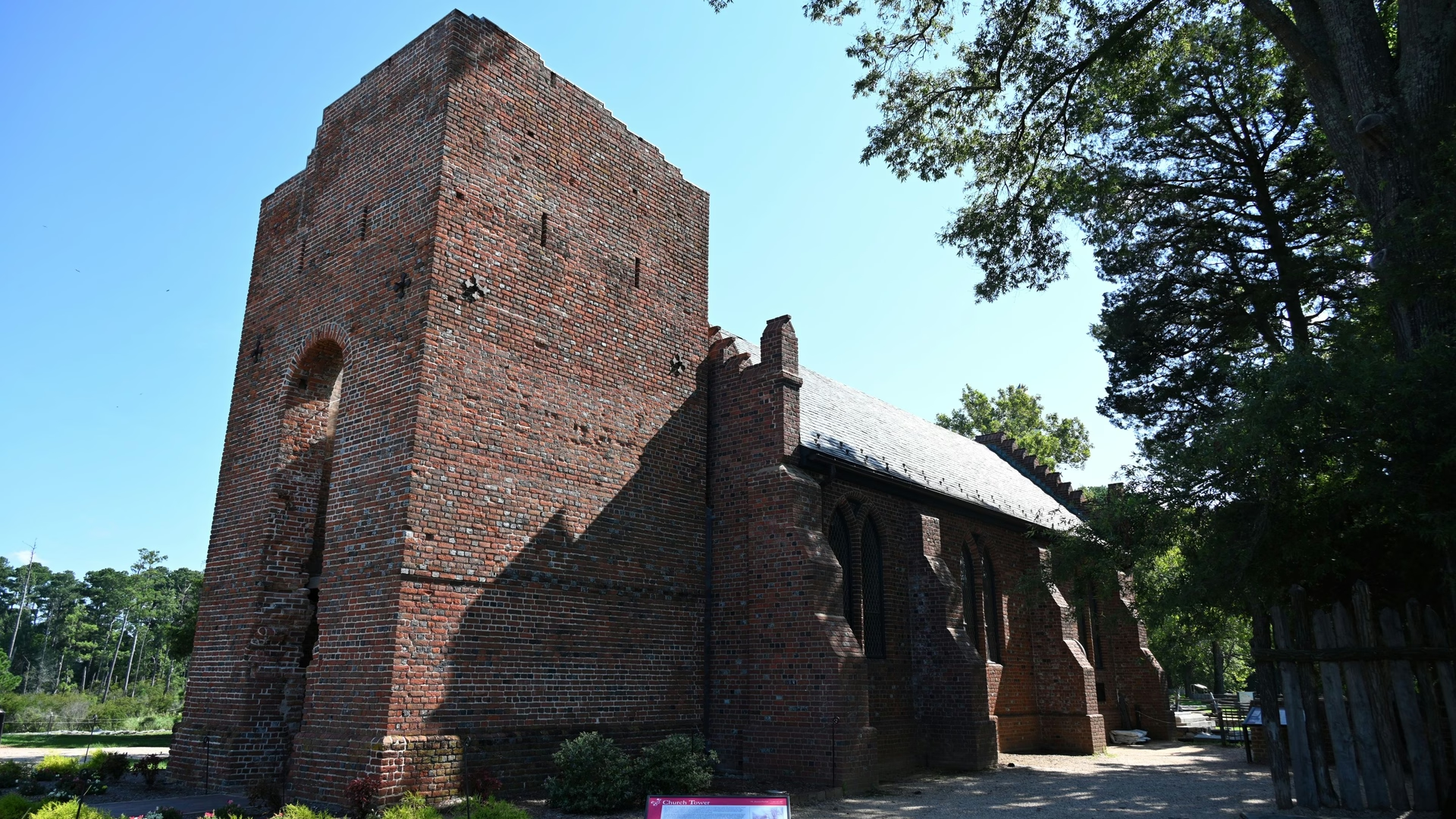
Excavation is ongoing and visible: you can watch archaeologists working the soil, and the museum next door displays what has come out of it — armour, trade goods, the skeletal remains that confirmed the settlers resorted to cannibalism in the starving winter of 1609. The surviving 1690s church tower is one of the oldest standing English structures in the country, attached to a memorial church of 1907 built over the original foundations, where the first representative assembly in America met in 1619. That same year, the first documented Africans in English North America were brought ashore in Virginia.
Practical: run jointly by the National Park Service and Jamestown Rediscovery, one ticket covers both; NPS passes get you in. Allow two to three hours, plus the five-mile Island Drive loop through the marsh and woodland the settlers found so hostile. Ranger tours are worth timing your arrival around.