
University of Virginia
Jefferson founded UVA in 1819 as his "academical village" — a deliberately secular alternative to the church-centred colleges of the era, organised not around a chapel but around a library. He designed the buildings, planned the curriculum and watched construction through a telescope from Monticello.
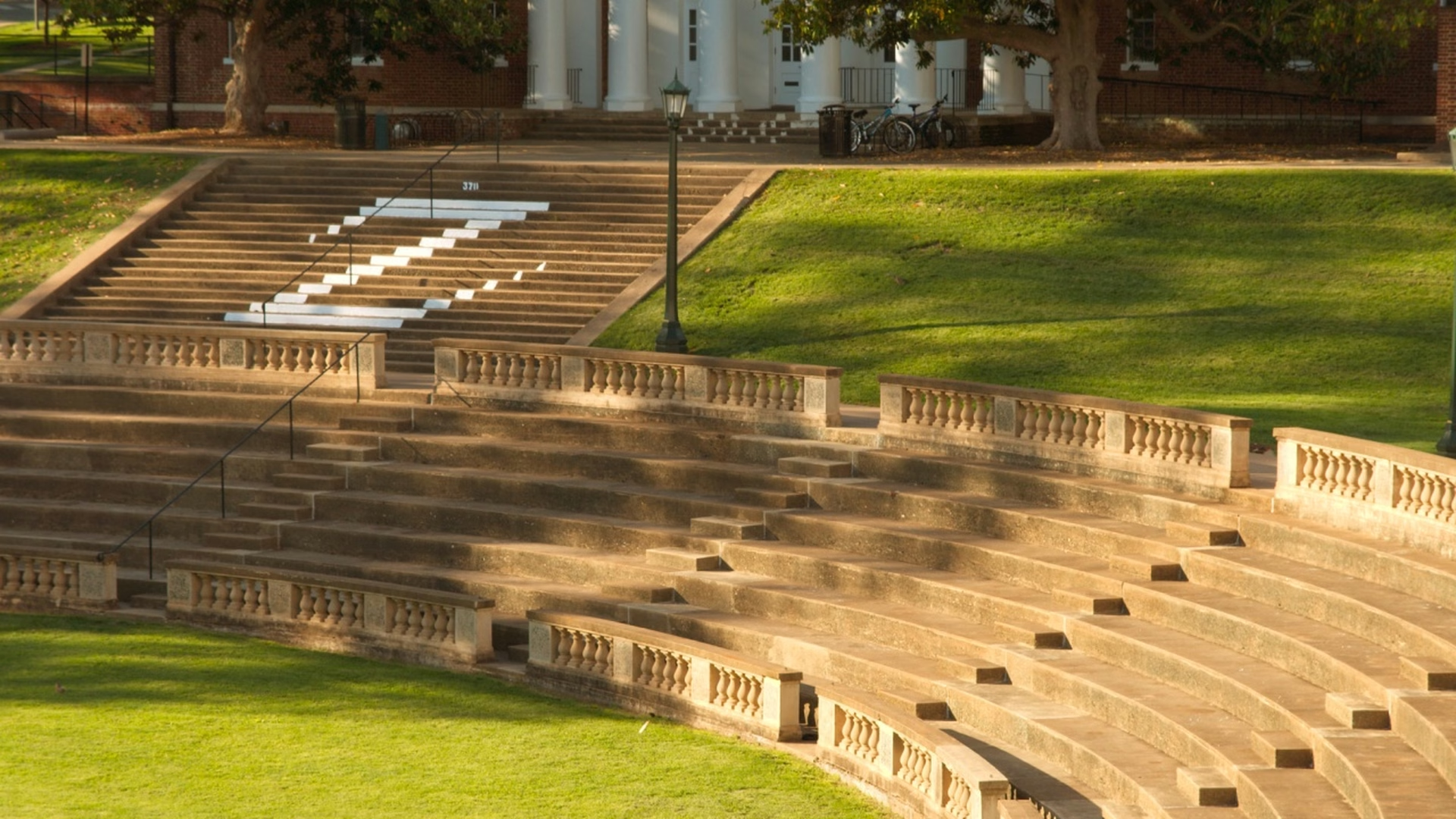
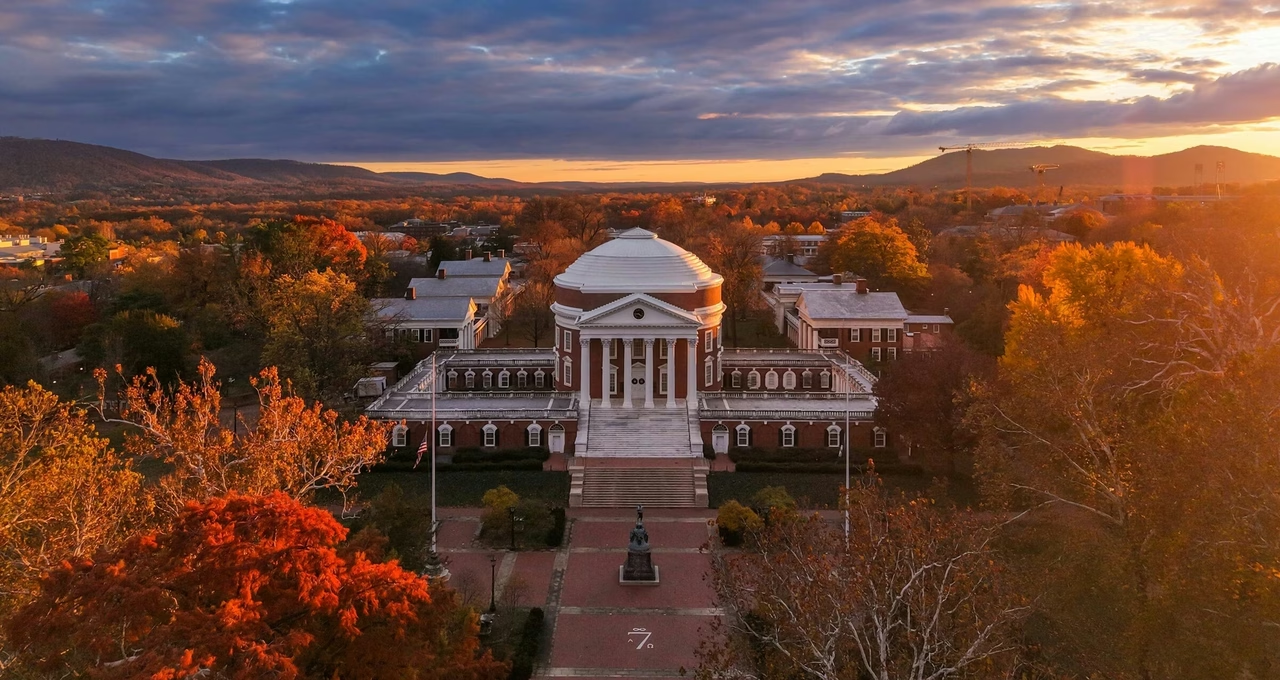
The historic core is what earned the campus, together with Monticello, a UNESCO World Heritage listing in 1987. The Lawn is a terraced green descending from the Rotunda, flanked by colonnaded ranges where a handful of fourth-year students still live in single rooms with fireplaces and no plumbing; Edgar Allan Poe's room is preserved on the West Range. Behind the pavilions lie the walled gardens, with their serpentine brick walls, and at the foot of the Lawn sit Old Cabell Hall and the amphitheatre.
Practical: the Grounds (never "campus", locally) are open and free to walk at any hour, and student-led tours start at the Rotunda. Term time gives the place its life; a summer morning gives you the architecture to yourself. Parking is the hard part — use a garage on the edge and walk in.
Categories